Late-Summer Tree Pruning: How to Get Your Trees Ready Before Fall Storm Season
August in Metro Atlanta feels like the quiet part of the year for tree care. Spring growth has slowed, the canopy is full and green, and nothing in the yard looks urgent. That sense of calm is exactly why late summer tree pruning gets pushed off every year, right up until a fall storm drops a heavy limb on a roof or a fence line. Trees need real time to recover from pruning cuts before wind and saturated soil put them to the test, and that recovery window closes faster than most homeowners expect. This guide covers why late summer is the smarter time to prune, what the work should actually include, and how to tell whether your trees need attention before the season turns.

Why Late Summer Is the Right Time to Prune Before Storm Season
Georgia’s Storm Season Actually Peaks in Fall, Not Summer
Many homeowners assume hurricane risk is a late-August problem and nothing more, but Georgia’s exposure runs from June through November. The Georgia Emergency Management and Homeland Security Agency lists trimming trees and shrubs among its standard pre-storm recommendations, right alongside securing loose furniture and reviewing an evacuation plan. That guidance exists because wind damage from tropical systems reaches far past the coast, and Metro Atlanta has felt the effects of storms that started in the Gulf or the Atlantic more than once. Late summer pruning puts you ahead of that risk instead of reacting to it once a storm is already in the forecast.
Pruning Now Gives Wounds Time to Heal Before Wind and Rain Arrive
A pruning cut is not finished the moment the branch comes down. The tree needs weeks to begin sealing that wound and redirecting growth around it, and a tree under active stress from wind or heavy rain has a harder time doing that work well. Pruning in late summer gives your trees a real head start before the ground gets saturated and gusts pick up later in the season. It also means any structural issues the work uncovers, like decay hidden under bark or a crack that was not visible from the ground, get addressed while the weather is still cooperative.
What Does Storm-Ready Pruning Actually Involve?
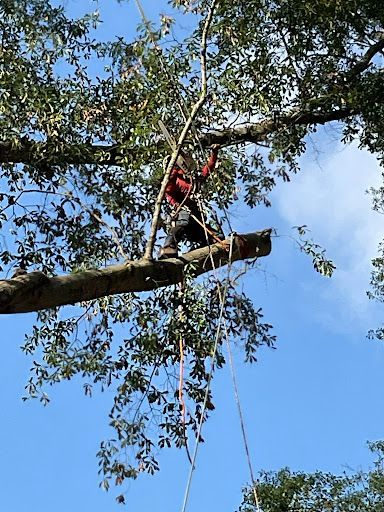
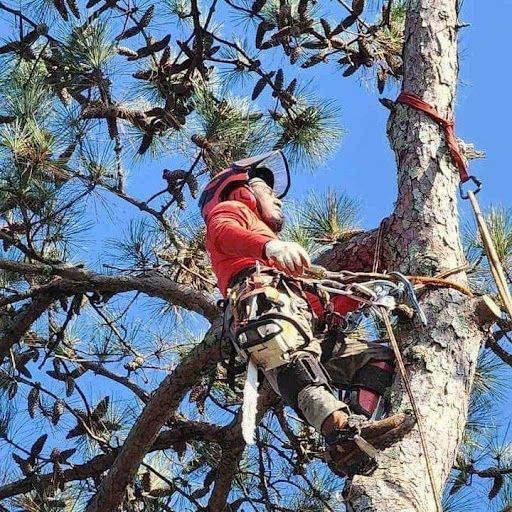
Storm-ready pruning is not about stripping a tree down or making it smaller for the sake of size. The goal is interior thinning, which means removing selected branches from inside the canopy so wind can pass through instead of pushing against a dense wall of foliage. University of Georgia Extension’s pruning guidelines draw a clear line between thinning and shearing, noting that thinning encourages healthier growth throughout the canopy while shearing just piles new growth on the outside and leaves the interior sparse and weak.
How Do I Know If My Trees Need Pruning Before Storm Season?
A few warning signs are worth walking your yard to check for before the season gets busy. Dead or hanging branches are usually the first to fail in high wind, so look for limbs with no leaves, peeling bark, or visible cracks. Branches that cross or rub against each other create wounds where decay can set in over time, and a canopy that has grown dense enough to block airflow puts more strain on the whole tree during a storm.
Pay attention to branch angles as well. A limb that meets the trunk at a narrow angle, tighter than about 45 degrees, is more prone to splitting under heavy wind or ice than one with a wider, stronger attachment. If a tree took damage during a previous storm and was never properly addressed, that weak point does not heal itself. It is one of the more common reasons a tree fails during the next event instead of the one that first damaged it. If you notice any of these signs, it is worth having a professional take a closer look before conditions change.
Why Hire a Certified Arborist Instead of Pruning It Yourself
The Risks of DIY Pruning on Large Trees
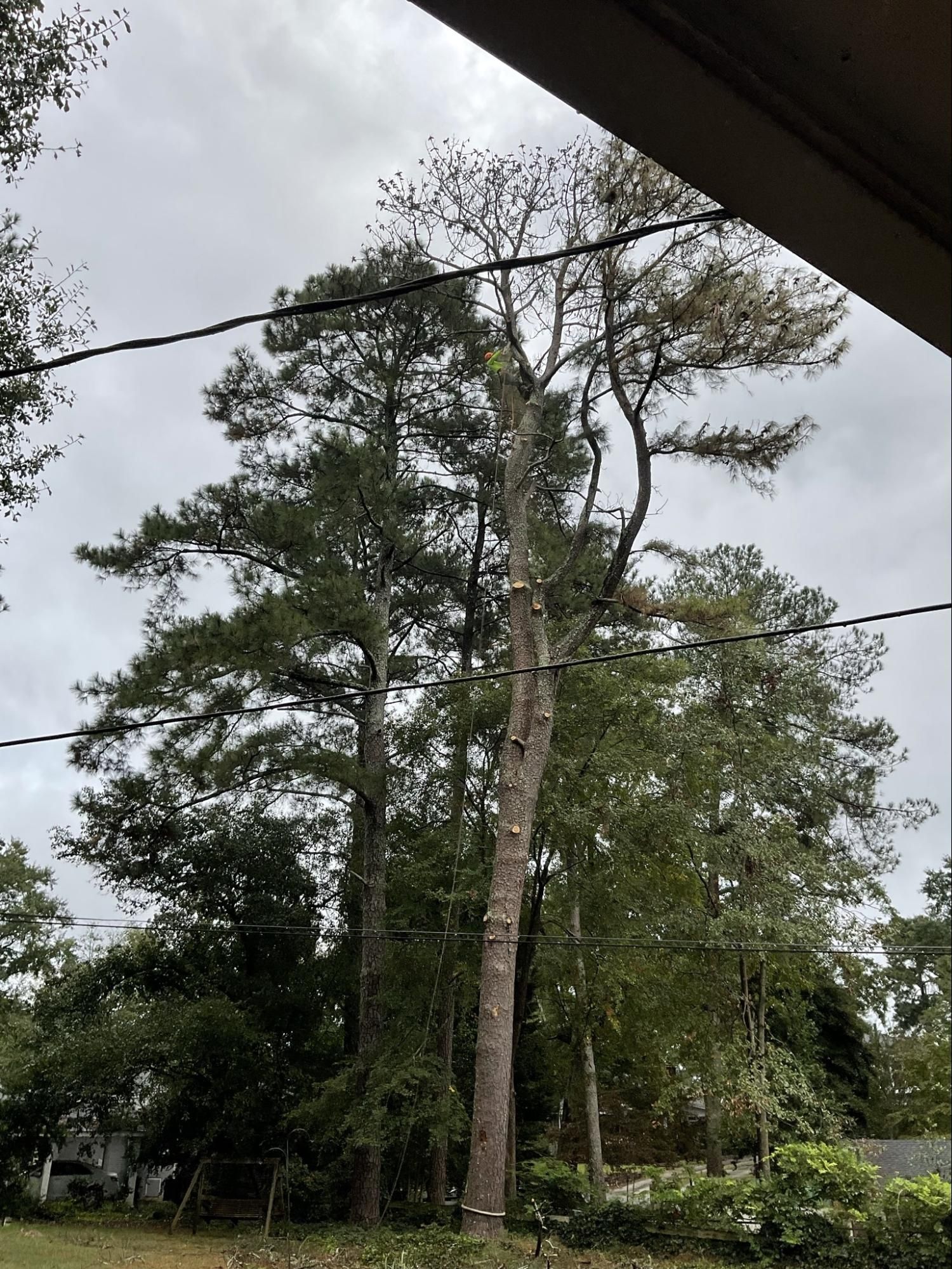
Light trimming on a small tree from ground level is reasonable for most homeowners to handle. Anything involving a ladder, a chainsaw, or branches near a power line is a different situation entirely. Large limbs are heavy and unpredictable once they start to fall, and an improper cut can tear bark well below the intended cut line, creating a wound that is far worse than the problem you started with.
There is also a knowledge gap that matters more than most people expect. Removing the wrong branch, cutting at the wrong angle, or taking too much canopy in one session can weaken a tree’s long-term structure even when the tree survives the immediate work. That kind of damage often does not show up until the next storm puts the tree to the test.
What a Certified Arborist Actually Checks During an Assessment
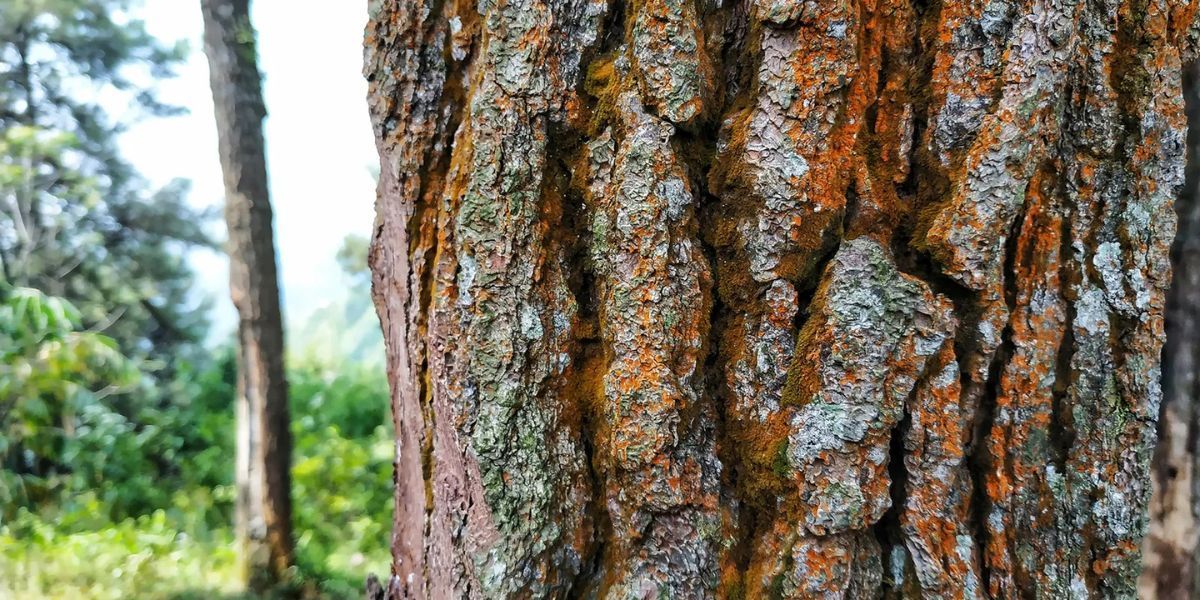
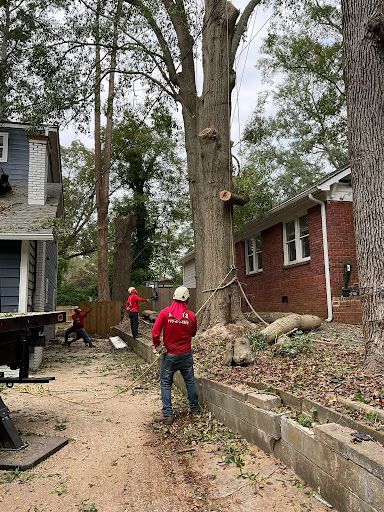
A proper assessment goes well beyond a quick look from the driveway. A trained eye checks for decay hidden under healthy-looking bark, evaluates branch attachment points for hidden weakness, and looks at the tree’s overall lean and root flare for signs of instability. Don’s Tree Service’s certified arborist services are built around this kind of thorough, professional evaluation, so you get a clear picture of what your trees actually need instead of a guess based on how the canopy looks from below.
What Happens If You Skip Pruning Before Storm Season?
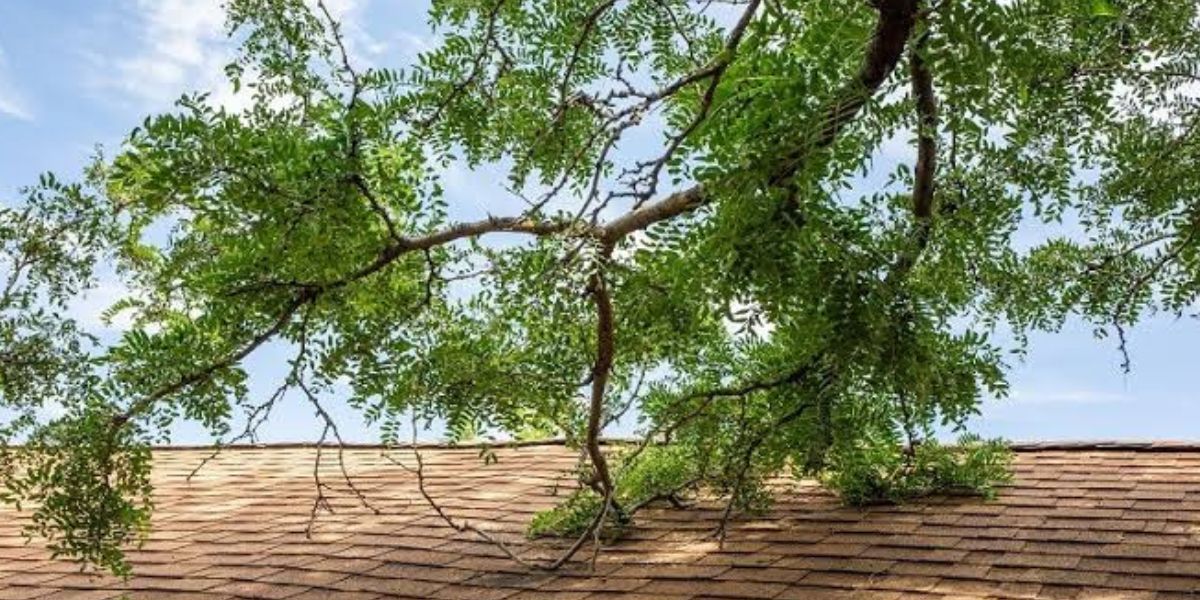
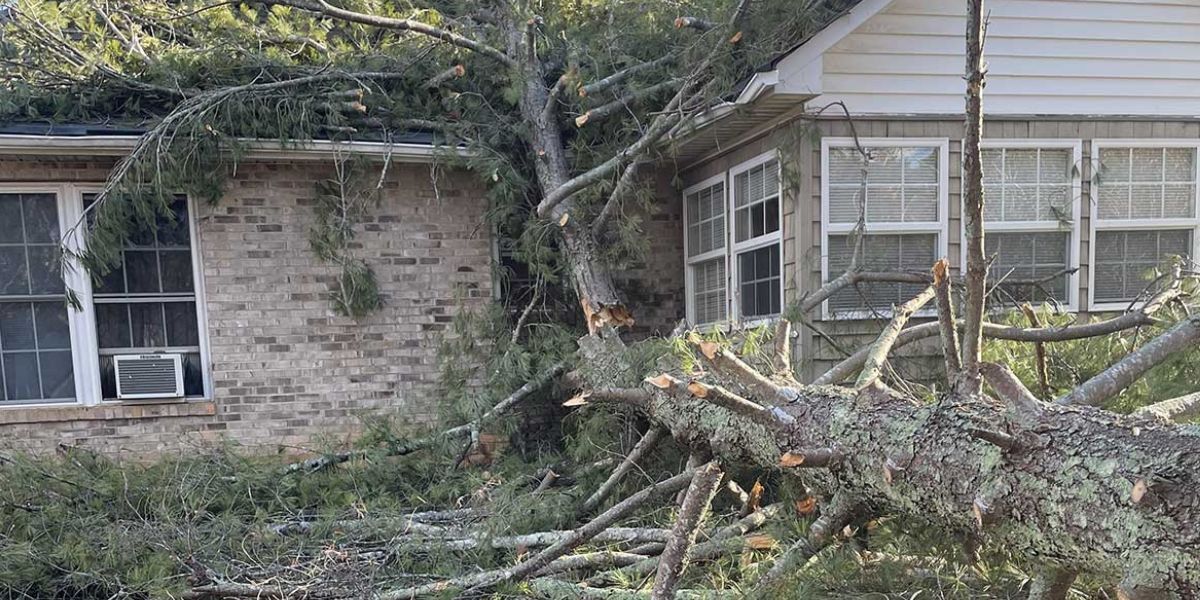
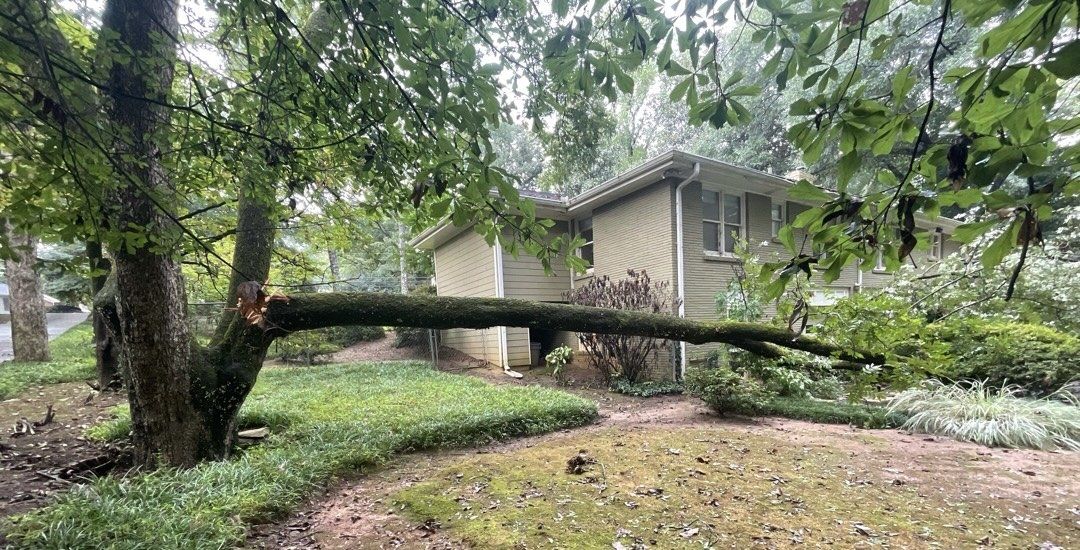
Skipping pruning does not usually cause a problem right away, which is exactly why it is easy to put off. The risk shows up later, when a storm finds the weak branch, the narrow crotch angle, or the deadwood that a late-summer inspection would have caught. Once a limb comes down on a roof, a car, or a power line, you are no longer scheduling routine maintenance. You are calling for emergency tree service during a period when every tree company in the area is fielding the same kind of call.
Emergency work is also simply more expensive and more stressful than planned pruning. Crews have to work around active hazards, damaged structures, and sometimes downed power lines, all of which add time and cost that a late-summer appointment would have avoided entirely. Preventive pruning protects your property and your budget at the same time.
When Should You Schedule Late-Summer Pruning in Metro Atlanta?
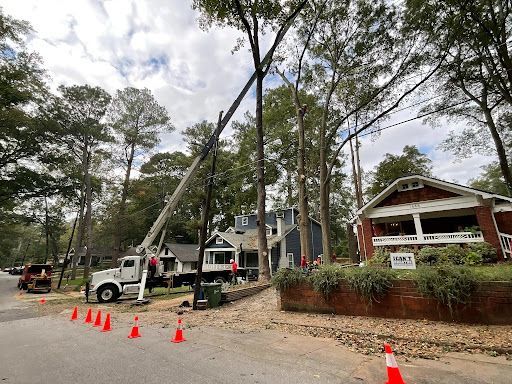
The window between now and early fall is the sweet spot for storm-prep pruning across Metro Atlanta. Trees still have enough active growth left in the season to begin healing pruning wounds, and you are scheduling the work before storm season activity typically increases and before every local tree company gets booked out. Waiting until a storm is already in the forecast means competing with every other homeowner who had the same idea at the same time.
Homeowners who have worked with Don’s Tree Service before consistently mention how clearly the scheduling and communication process works from the first call through the final cleanup, which matters most when you are trying to get ahead of a deadline like storm season rather than reacting to one. That kind of predictable process is worth more than it sounds like once storm season is underway and everyone else is calling around for the same help. If you want your tree trimming and pruning handled before the busy season hits, late summer is the right time to make the call.
Recent Posts